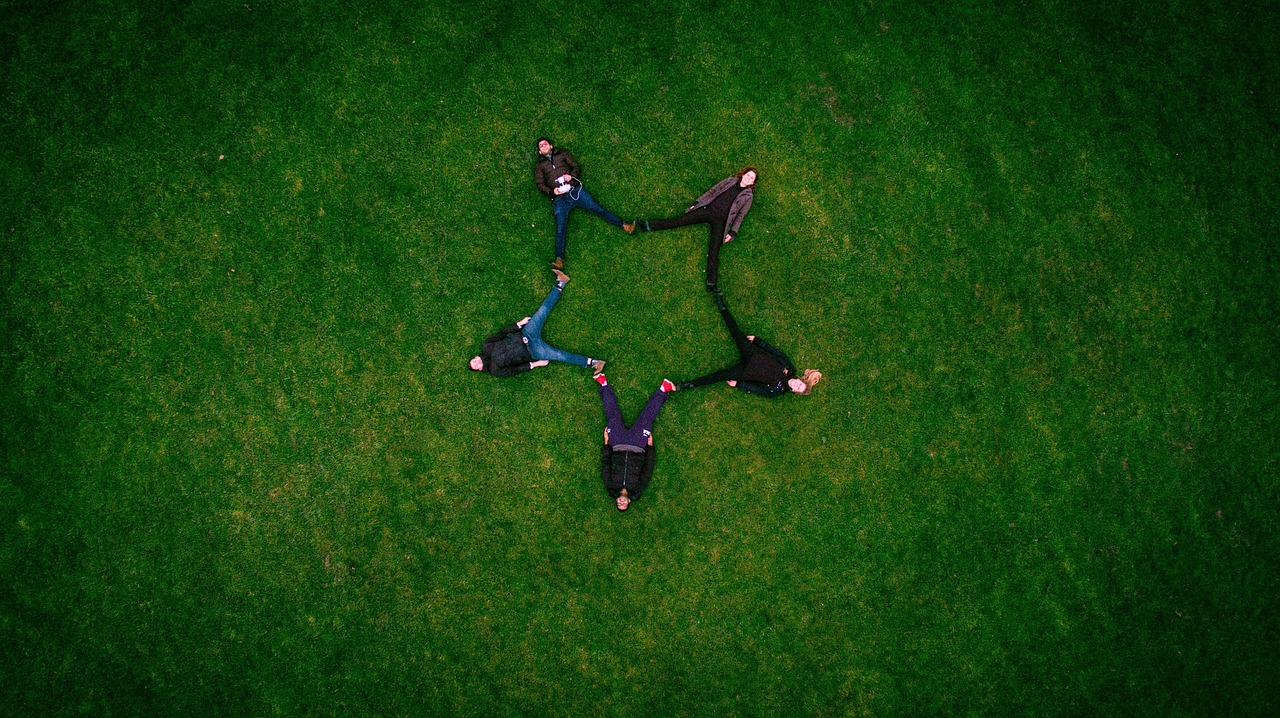
One Team: Bringing Design and Development Together
Every six months or so, I see an article like the one linked below and it’s getting incredibly frustrating to see the exact same platitudes said over and over again.
6 ways designers and developers can work together better
The article is about the difficulties of getting designers and developers to work together and what to do about it. The advice is mostly telling people to trust and talk to each other more. Well, yeah. That sounds like a good place to start, but are we really just still starting? This could have been a post about software tools to help collaboration between designers and developers. It could have been about good systems for sharing the workload. It could have been about processes that make sharing easier and how to define boundaries to each person’s job in each project. Instead, it’s telling them to sit next to each other so they can talk more easily!
The only explanation for this, apparently perennial problem, that I can come up with is that the industry has split the creation process fairly rigidly down certain historical lines and there’s a tension at the join. For websites and web apps creation, it’s simply not that black and white. People are competing, in a way, for the roles in designing and building a site, when they should be jointly creating a site and matched together as teams complimenting each other’s individual skills; working to fill in strengths and weaknesses.
That’s the job of a good web team manager: to pick people and match them up, so that each team has the right blend of complimentary skills to achieve the required goal. Some developers are good at design and some designers can also develop. Somewhere between them they know how to build a great site or a killer app. A manager should know their team members. They should be able to see where the edges blur between the two roles and where they need to find people to fill in gaps.
You have a serious problem if you need to tell members of, what should be, a team to talk to each other more (to force them to sit together!)… or that they should be respectful of each other’s job… or that they should trust each other!
This isn’t a cultural chasm between designers and developers. It’s a process management failure.
Here’s my six ways of bringing design and development together:
1) Don’t create designer and developer ghettos. They are one web team. It’s not about forcing them to sit together, it’s about ensuring that you don’t divide them up artificially with your office layout by seating them on opposite sides of a room or in different offices.
2) Keep everyone in the loop. Designers often seem to be the only ones involved in initial planning meetings. They are the first step in the process but they are only one part of the team. Ensure that everyone can contribute from the beginning and that they all feel valued equally as professionals, who may provide an insight that wouldn’t have been considered without them being there or highlight a problem early enough to do something about it. Keep designers firmly in the development loop, so that they can keep contributing on the fly if any problems are arising.
3) Provide the tools to enable collaboration. Have compatible software where possible. Have document sharing systems (from initial requirements docs, designs and wireframes, right through to code – visible to all!). If some have Macs and some PCs, it’s even more important that they can share work easily. That’s all communication.
4) Encourage a culture of sharing, not hoarding. Encourage the flow of ideas around the room. You never know where a really good idea might come from. Have a bit in a weekly meeting, where everyone attends, and people can ask for assistance or share ideas. Have they come across anything interesting lately that might look good or do they want to know whether a design idea can be implemented (even if there’s no specific project for it at the moment)? Encourage a shared creativity where code and design blend in the middle.
5) Stop thinking that they’re two wildly different disciplines. The end goal is to build a website or an app. It’s one goal with lots of individual steps, performed by a variety of different people.
6) Build one team. Find their strengths, regardless of job title.

You May Also Like
Windows Desktop Customisation – 5 Cool Applications

Death for Who? Journey’s End Thoughts about Donna
